
34 KiB
Using the Messages API
Practical patterns and examples for using the Messages API effectively
Anthropic offers two ways to build with Claude, each suited to different use cases:
| Messages API | Claude Managed Agents | |
|---|---|---|
| What it is | Direct model prompting access | Pre-built, configurable agent harness that runs in managed infrastructure |
| Best for | Custom agent loops and fine-grained control | Long-running tasks and asynchronous work |
| Learn more | Messages API docs | Claude Managed Agents docs |
This guide covers common patterns for working with the Messages API, including basic requests, multi-turn conversations, prefill techniques, and vision capabilities. For complete API specifications, see the Messages API reference.
This feature is eligible for [Zero Data Retention (ZDR)](/docs/en/build-with-claude/api-and-data-retention). When your organization has a ZDR arrangement, data sent through this feature is not stored after the API response is returned.Basic request and response
```bash cURL #!/bin/sh curl https://api.anthropic.com/v1/messages \ --header "x-api-key: $ANTHROPIC_API_KEY" \ --header "anthropic-version: 2023-06-01" \ --header "content-type: application/json" \ --data \ '{ "model": "claude-opus-4-7", "max_tokens": 1024, "messages": [ {"role": "user", "content": "Hello, Claude"} ] }' ```ant messages create \
--model claude-opus-4-7 \
--max-tokens 1024 \
--message '{role: user, content: "Hello, Claude"}'
import anthropic
message = anthropic.Anthropic().messages.create(
model="claude-opus-4-7",
max_tokens=1024,
messages=[{"role": "user", "content": "Hello, Claude"}],
)
print(message)
import Anthropic from "@anthropic-ai/sdk";
const anthropic = new Anthropic();
const message = await anthropic.messages.create({
model: "claude-opus-4-7",
max_tokens: 1024,
messages: [{ role: "user", content: "Hello, Claude" }]
});
console.log(message);
using System;
using System.Threading.Tasks;
using Anthropic;
using Anthropic.Models.Messages;
class Program
{
static async Task Main()
{
AnthropicClient client = new();
var parameters = new MessageCreateParams
{
Model = Model.ClaudeOpus4_7,
MaxTokens = 1024,
Messages = [new() { Role = Role.User, Content = "Hello, Claude" }]
};
var message = await client.Messages.Create(parameters);
Console.WriteLine(message);
}
}
package main
import (
"context"
"fmt"
"log"
"github.com/anthropics/anthropic-sdk-go"
)
func main() {
client := anthropic.NewClient()
response, err := client.Messages.New(context.TODO(), anthropic.MessageNewParams{
Model: anthropic.ModelClaudeOpus4_7,
MaxTokens: 1024,
Messages: []anthropic.MessageParam{
anthropic.NewUserMessage(anthropic.NewTextBlock("Hello, Claude")),
},
})
if err != nil {
log.Fatal(err)
}
fmt.Println(response)
}
import com.anthropic.client.AnthropicClient;
import com.anthropic.client.okhttp.AnthropicOkHttpClient;
import com.anthropic.models.messages.MessageCreateParams;
import com.anthropic.models.messages.Message;
import com.anthropic.models.messages.Model;
public class Main {
public static void main(String[] args) {
AnthropicClient client = AnthropicOkHttpClient.fromEnv();
MessageCreateParams params = MessageCreateParams.builder()
.model(Model.CLAUDE_OPUS_4_7)
.maxTokens(1024L)
.addUserMessage("Hello, Claude")
.build();
Message response = client.messages().create(params);
System.out.println(response);
}
}
<?php
use Anthropic\Client;
$client = new Client(apiKey: getenv("ANTHROPIC_API_KEY"));
$message = $client->messages->create(
maxTokens: 1024,
messages: [['role' => 'user', 'content' => 'Hello, Claude']],
model: 'claude-opus-4-7',
);
echo $message->content[0]->text;
require "anthropic"
client = Anthropic::Client.new
message = client.messages.create(
model: "claude-opus-4-7",
max_tokens: 1024,
messages: [
{ role: "user", content: "Hello, Claude" }
]
)
puts message
{
"id": "msg_01XFDUDYJgAACzvnptvVoYEL",
"type": "message",
"role": "assistant",
"content": [
{
"type": "text",
"text": "Hello!"
}
],
"model": "claude-opus-4-7",
"stop_reason": "end_turn",
"stop_sequence": null,
"usage": {
"input_tokens": 12,
"output_tokens": 6
}
}
Multiple conversational turns
The Messages API is stateless, which means that you always send the full conversational history to the API. You can use this pattern to build up a conversation over time. Earlier conversational turns don't necessarily need to actually originate from Claude. You can use synthetic assistant messages.
]
}'
```bash CLI
ant messages create \
  --model claude-opus-4-7 \
  --max-tokens 1024 \
--message '{role: user, content: "Hello, Claude"}' \
--message '{role: assistant, content: "Hello!"}' \
--message '{role: user, content: "Can you describe LLMs to me?"}'
import anthropic

message = anthropic.Anthropic().messages.create(
    model="claude-opus-4-7",
    max_tokens=1024,
    messages=[
        {"role": "user", "content": "Hello, Claude"},
        {"role": "assistant", "content": "Hello!"},
        {"role": "user", "content": "Can you describe LLMs to me?"},
    ],
)
print(message)
import Anthropic from "@anthropic-ai/sdk";

const anthropic = new Anthropic();

await anthropic.messages.create({
  model: "claude-opus-4-7",
  max_tokens: 1024,
  messages: [
    { role: "user", content: "Hello, Claude" },
    { role: "assistant", content: "Hello!" },
    { role: "user", content: "Can you describe LLMs to me?" }
  ]
});
using System;
using System.Threading.Tasks;
using Anthropic;
using Anthropic.Models.Messages;

class Program
{
    static async Task Main(string[] args)
    {
        AnthropicClient client = new();

        var parameters = new MessageCreateParams
        {
            Model = Model.ClaudeOpus4_7,
            MaxTokens = 1024,
            Messages =
            [
                new() { Role = Role.User, Content = "Hello, Claude" },
                new() { Role = Role.Assistant, Content = "Hello!" },
                new() { Role = Role.User, Content = "Can you describe LLMs to me?" }
            ]
        };

        var message = await client.Messages.Create(parameters);
        Console.WriteLine(message);
    }
}
package main

import (
	"context"
	"fmt"
	"log"

	"github.com/anthropics/anthropic-sdk-go"
)

func main() {
	client := anthropic.NewClient()

	response, err := client.Messages.New(context.TODO(), anthropic.MessageNewParams{
		Model:     anthropic.ModelClaudeOpus4_7,
		MaxTokens: 1024,
		Messages: []anthropic.MessageParam{
			anthropic.NewUserMessage(anthropic.NewTextBlock("Hello, Claude")),
			anthropic.NewAssistantMessage(anthropic.NewTextBlock("Hello!")),
			anthropic.NewUserMessage(anthropic.NewTextBlock("Can you describe LLMs to me?")),
		},
	})
	if err != nil {
		log.Fatal(err)
	}
	fmt.Println(response)
}
import com.anthropic.client.AnthropicClient;
import com.anthropic.client.okhttp.AnthropicOkHttpClient;
import com.anthropic.models.messages.MessageCreateParams;
import com.anthropic.models.messages.Message;
import com.anthropic.models.messages.Model;

public class MultiTurnConversation {
    public static void main(String[] args) {
        AnthropicClient client = AnthropicOkHttpClient.fromEnv();

        MessageCreateParams params = MessageCreateParams.builder()
            .model(Model.CLAUDE_OPUS_4_7)
            .maxTokens(1024L)
            .addUserMessage("Hello, Claude")
            .addAssistantMessage("Hello!")
            .addUserMessage("Can you describe LLMs to me?")
            .build();

        Message response = client.messages().create(params);
        System.out.println(response);
    }
}
<?php

use Anthropic\Client;

$client = new Client(apiKey: getenv("ANTHROPIC_API_KEY"));

$message = $client->messages->create(
    maxTokens: 1024,
    messages: [
        ['role' => 'user', 'content' => 'Hello, Claude'],
        ['role' => 'assistant', 'content' => 'Hello!'],
        ['role' => 'user', 'content' => 'Can you describe LLMs to me?'],
    ],
    model: 'claude-opus-4-7',
);

echo $message->content[0]->text;
require "anthropic"

client = Anthropic::Client.new

message = client.messages.create(
  model: "claude-opus-4-7",
  max_tokens: 1024,
  messages: [
    { role: "user", content: "Hello, Claude" },
    { role: "assistant", content: "Hello!" },
    { role: "user", content: "Can you describe LLMs to me?" }
  ]
)
puts message
{
  "id": "msg_018gCsTGsXkYJVqYPxTgDHBU",
  "type": "message",
  "role": "assistant",
  "content": [
    {
      "type": "text",
      "text": "Sure, I'd be happy to provide..."
    }
  ],
  "stop_reason": "end_turn",
  "stop_sequence": null,
  "usage": {
    "input_tokens": 30,
    "output_tokens": 309
  }
}
Putting words in Claude's mouth
You can pre-fill part of Claude's response in the last position of the input messages list. This can be used to shape Claude's response. The example below uses "max_tokens": 1 to get a single multiple choice answer from Claude.
ant messages create <<'YAML'
model: claude-sonnet-4-5
max_tokens: 1
messages:
  - role: user
    content: "What is latin for Ant? (A) Apoidea, (B) Rhopalocera, (C) Formicidae"
  - role: assistant
    content: "The answer is ("
YAML
import anthropic

message = anthropic.Anthropic().messages.create(
    model="claude-sonnet-4-5",
    max_tokens=1,
    messages=[
        {
            "role": "user",
            "content": "What is latin for Ant? (A) Apoidea, (B) Rhopalocera, (C) Formicidae",
        },
        {"role": "assistant", "content": "The answer is ("},
    ],
)
print(message)
import Anthropic from "@anthropic-ai/sdk";

const anthropic = new Anthropic();

const message = await anthropic.messages.create({
  model: "claude-sonnet-4-5",
  max_tokens: 1,
  messages: [
    {
      role: "user",
      content: "What is latin for Ant? (A) Apoidea, (B) Rhopalocera, (C) Formicidae"
    },
    { role: "assistant", content: "The answer is (" }
  ]
});
console.log(message);
using System;
using System.Threading.Tasks;
using Anthropic;
using Anthropic.Models.Messages;

class Program
{
    static async Task Main(string[] args)
    {
        AnthropicClient client = new();

        var parameters = new MessageCreateParams
        {
            Model = Model.ClaudeSonnet4_5,
            MaxTokens = 1,
            Messages = [
                new() { Role = Role.User, Content = "What is latin for Ant? (A) Apoidea, (B) Rhopalocera, (C) Formicidae" },
                new() { Role = Role.Assistant, Content = "The answer is (" }
            ]
        };

        var message = await client.Messages.Create(parameters);
        Console.WriteLine(message);
    }
}
package main

import (
	"context"
	"fmt"
	"log"

	"github.com/anthropics/anthropic-sdk-go"
)

func main() {
	client := anthropic.NewClient()

	response, err := client.Messages.New(context.TODO(), anthropic.MessageNewParams{
		Model:     anthropic.ModelClaudeSonnet4_5,
		MaxTokens: 1,
		Messages: []anthropic.MessageParam{
			anthropic.NewUserMessage(anthropic.NewTextBlock("What is latin for Ant? (A) Apoidea, (B) Rhopalocera, (C) Formicidae")),
			anthropic.NewAssistantMessage(anthropic.NewTextBlock("The answer is (")),
		},
	})
	if err != nil {
		log.Fatal(err)
	}
	fmt.Println(response)
}
import com.anthropic.client.AnthropicClient;
import com.anthropic.client.okhttp.AnthropicOkHttpClient;
import com.anthropic.models.messages.MessageCreateParams;
import com.anthropic.models.messages.Message;
import com.anthropic.models.messages.Model;

public class PrefillExample {
    public static void main(String[] args) {
        AnthropicClient client = AnthropicOkHttpClient.fromEnv();

        MessageCreateParams params = MessageCreateParams.builder()
            .model(Model.CLAUDE_SONNET_4_5)
            .maxTokens(1L)
            .addUserMessage("What is latin for Ant? (A) Apoidea, (B) Rhopalocera, (C) Formicidae")
            .addAssistantMessage("The answer is (")
            .build();

        Message response = client.messages().create(params);
        System.out.println(response);
    }
}
<?php

use Anthropic\Client;

$client = new Client(apiKey: getenv("ANTHROPIC_API_KEY"));

$message = $client->messages->create(
    maxTokens: 1,
    messages: [
        ['role' => 'user', 'content' => 'What is latin for Ant? (A) Apoidea, (B) Rhopalocera, (C) Formicidae'],
        ['role' => 'assistant', 'content' => 'The answer is ('],
    ],
    model: 'claude-sonnet-4-5',
);
echo $message->content[0]->text;
require "anthropic"

client = Anthropic::Client.new

message = client.messages.create(
  model: "claude-sonnet-4-5",
  max_tokens: 1,
  messages: [
    {
      role: "user",
      content: "What is latin for Ant? (A) Apoidea, (B) Rhopalocera, (C) Formicidae"
    },
    { role: "assistant", content: "The answer is (" }
  ]
)
puts message
{
  "id": "msg_01Q8Faay6S7QPTvEUUQARt7h",
  "type": "message",
  "role": "assistant",
  "content": [
    {
      "type": "text",
      "text": "C"
    }
  ],
  "model": "claude-sonnet-4-5",
  "stop_reason": "max_tokens",
  "stop_sequence": null,
  "usage": {
    "input_tokens": 42,
    "output_tokens": 1
  }
}
Vision
Claude can read both text and images in requests. Images can be supplied using the base64, url, or file source types. The file source type references an image uploaded through the Files API. Supported media types are image/jpeg, image/png, image/gif, and image/webp. See the vision guide for more details.
Option 1: Base64-encoded image
IMAGE_URL="https://upload.wikimedia.org/wikipedia/commons/a/a7/Camponotus_flavomarginatus_ant.jpg" IMAGE_MEDIA_TYPE="image/jpeg" IMAGE_BASE64=$(curl "$IMAGE_URL" | base64 | tr -d '\n')
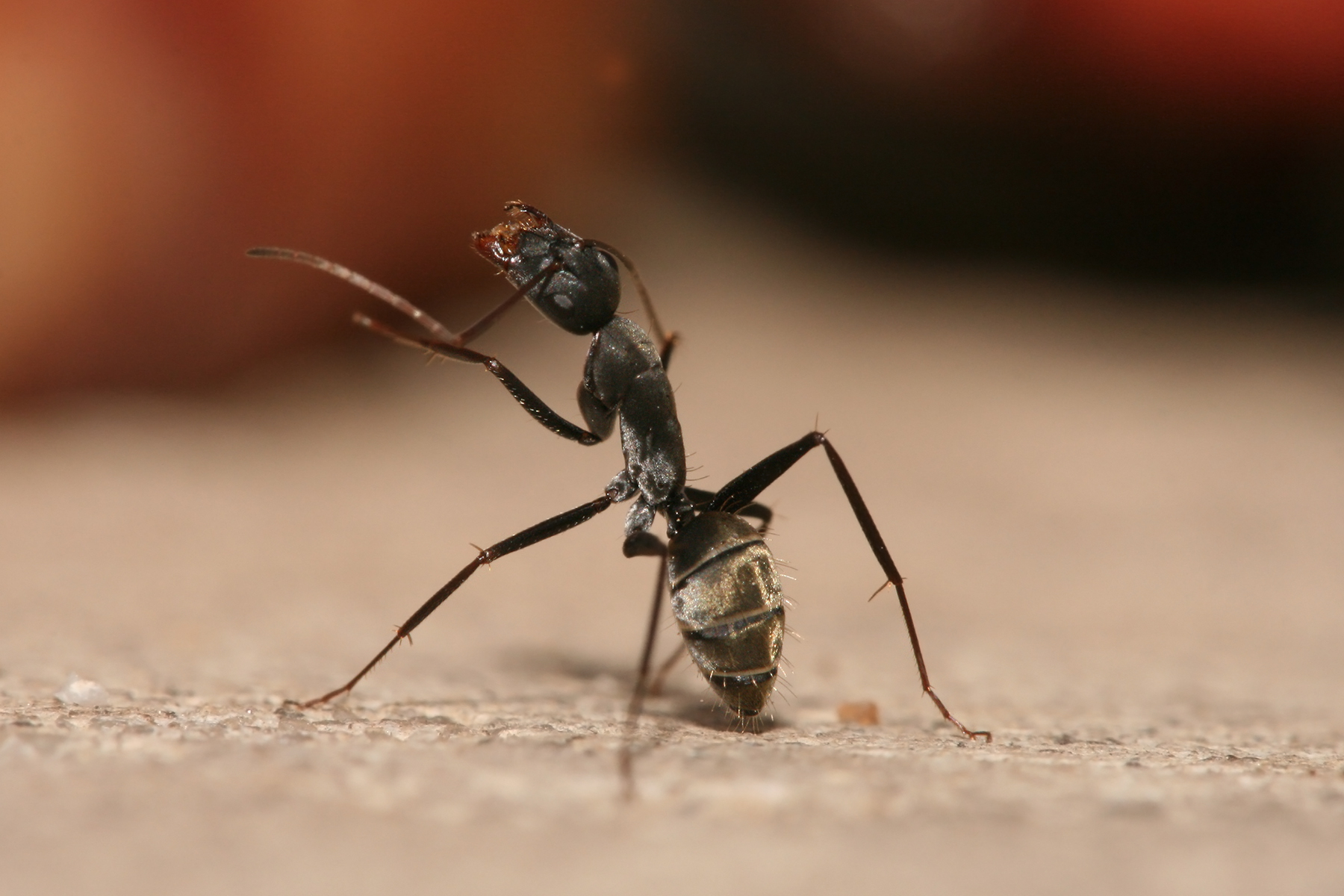
curl https://api.anthropic.com/v1/messages
--header "x-api-key: $ANTHROPIC_API_KEY"
--header "anthropic-version: 2023-06-01"
--header "content-type: application/json"
--data
'{
"model": "claude-opus-4-7",
"max_tokens": 1024,
"messages": [
{"role": "user", "content": [
{"type": "image", "source": {
"type": "base64",
"media_type": "'$IMAGE_MEDIA_TYPE'",
"data": "'$IMAGE_BASE64'"
}},
{"type": "text", "text": "What is in the above image?"}
]}
]
}'
Option 2: URL-referenced image
curl https://api.anthropic.com/v1/messages
--header "x-api-key: $ANTHROPIC_API_KEY"
--header "anthropic-version: 2023-06-01"
--header "content-type: application/json"
--data
'{
"model": "claude-opus-4-7",
"max_tokens": 1024,
"messages": [
{"role": "user", "content": [
{"type": "image", "source": {
"type": "url",
"url": "https://upload.wikimedia.org/wikipedia/commons/a/a7/Camponotus_flavomarginatus_ant.jpg"
}},
{"type": "text", "text": "What is in the above image?"}
]}
]
}'
```bash CLI nocheck
IMAGE_URL="https://upload.wikimedia.org/wikipedia/commons/a/a7/Camponotus_flavomarginatus_ant.jpg"

# Option 1: Base64-encoded image (CLI auto-encodes binary @file refs)
curl -s "$IMAGE_URL" -o ./ant.jpg

ant messages create <<'YAML'
model: claude-opus-4-7
max_tokens: 1024
messages:
  - role: user
    content:
      - type: image
        source:
          type: base64
          media_type: image/jpeg
          data: "@./ant.jpg"
      - type: text
        text: What is in the above image?
YAML

# Option 2: URL-referenced image
ant messages create <<YAML
model: claude-opus-4-7
max_tokens: 1024
messages:
  - role: user
    content:
      - type: image
        source:
          type: url
          url: $IMAGE_URL
      - type: text
        text: What is in the above image?
YAML
import anthropic
import base64
import httpx

# Option 1: Base64-encoded image
image_url = "https://upload.wikimedia.org/wikipedia/commons/a/a7/Camponotus_flavomarginatus_ant.jpg"
image_media_type = "image/jpeg"
image_data = base64.standard_b64encode(httpx.get(image_url).content).decode("utf-8")

message = anthropic.Anthropic().messages.create(
    model="claude-opus-4-7",
    max_tokens=1024,
    messages=[
        {
            "role": "user",
            "content": [
                {
                    "type": "image",
                    "source": {
                        "type": "base64",
                        "media_type": image_media_type,
                        "data": image_data,
                    },
                },
                {"type": "text", "text": "What is in the above image?"},
            ],
        }
    ],
)
print(message)

# Option 2: URL-referenced image
message_from_url = anthropic.Anthropic().messages.create(
    model="claude-opus-4-7",
    max_tokens=1024,
    messages=[
        {
            "role": "user",
            "content": [
                {
                    "type": "image",
                    "source": {
                        "type": "url",
                        "url": "https://upload.wikimedia.org/wikipedia/commons/a/a7/Camponotus_flavomarginatus_ant.jpg",
                    },
                },
                {"type": "text", "text": "What is in the above image?"},
            ],
        }
    ],
)
print(message_from_url)
import Anthropic from "@anthropic-ai/sdk";

const anthropic = new Anthropic();

// Option 1: Base64-encoded image
const image_url =
  "https://upload.wikimedia.org/wikipedia/commons/a/a7/Camponotus_flavomarginatus_ant.jpg";
const image_media_type = "image/jpeg";
const image_array_buffer = await (await fetch(image_url)).arrayBuffer();
const image_data = Buffer.from(image_array_buffer).toString("base64");

const message = await anthropic.messages.create({
  model: "claude-opus-4-7",
  max_tokens: 1024,
  messages: [
    {
      role: "user",
      content: [
        {
          type: "image",
          source: {
            type: "base64",
            media_type: image_media_type,
            data: image_data
          }
        },
        {
          type: "text",
          text: "What is in the above image?"
        }
      ]
    }
  ]
});
console.log(message);

// Option 2: URL-referenced image
const messageFromUrl = await anthropic.messages.create({
  model: "claude-opus-4-7",
  max_tokens: 1024,
  messages: [
    {
      role: "user",
      content: [
        {
          type: "image",
          source: {
            type: "url",
            url: "https://upload.wikimedia.org/wikipedia/commons/a/a7/Camponotus_flavomarginatus_ant.jpg"
          }
        },
        {
          type: "text",
          text: "What is in the above image?"
        }
      ]
    }
  ]
});
console.log(messageFromUrl);
using System;
using System.Collections.Generic;
using System.Net.Http;
using System.Threading.Tasks;
using Anthropic;
using Anthropic.Models.Messages;

public class Program
{
    public static async Task Main(string[] args)
    {
        AnthropicClient client = new();

        // Option 1: Base64-encoded image
        string imageUrl = "https://upload.wikimedia.org/wikipedia/commons/a/a7/Camponotus_flavomarginatus_ant.jpg";

        using HttpClient httpClient = new();
        byte[] imageBytes = await httpClient.GetByteArrayAsync(imageUrl);
        string imageData = Convert.ToBase64String(imageBytes);

        var parameters = new MessageCreateParams
        {
            Model = Model.ClaudeOpus4_7,
            MaxTokens = 1024,
            Messages =
            [
                new()
                {
                    Role = Role.User,
                    Content = new MessageParamContent(new List<ContentBlockParam>
                    {
                        new ContentBlockParam(new ImageBlockParam(
                            new ImageBlockParamSource(new Base64ImageSource()
                            {
                                Data = imageData,
                                MediaType = MediaType.ImageJpeg,
                            })
                        )),
                        new ContentBlockParam(new TextBlockParam("What is in the above image?")),
                    }),
                }
            ]
        };

        var message = await client.Messages.Create(parameters);
        Console.WriteLine(message);

        // Option 2: URL-referenced image
        var parametersFromUrl = new MessageCreateParams
        {
            Model = Model.ClaudeOpus4_7,
            MaxTokens = 1024,
            Messages =
            [
                new()
                {
                    Role = Role.User,
                    Content = new MessageParamContent(new List<ContentBlockParam>
                    {
                        new ContentBlockParam(new ImageBlockParam(
                            new ImageBlockParamSource(new UrlImageSource()
                            {
                                Url = new Uri("https://upload.wikimedia.org/wikipedia/commons/a/a7/Camponotus_flavomarginatus_ant.jpg"),
                            })
                        )),
                        new ContentBlockParam(new TextBlockParam("What is in the above image?")),
                    }),
                }
            ]
        };

        var messageFromUrl = await client.Messages.Create(parametersFromUrl);
        Console.WriteLine(messageFromUrl);
    }
}
package main

import (
	"context"
	"encoding/base64"
	"fmt"
	"io"
	"log"
	"net/http"

	"github.com/anthropics/anthropic-sdk-go"
)

func main() {
	client := anthropic.NewClient()

	// Option 1: Base64-encoded image
	imageURL := "https://upload.wikimedia.org/wikipedia/commons/a/a7/Camponotus_flavomarginatus_ant.jpg"

	req, err := http.NewRequest("GET", imageURL, nil)
	if err != nil {
		log.Fatal(err)
	}
	req.Header.Set("User-Agent", "AnthropicDocsBot/1.0")

	resp, err := http.DefaultClient.Do(req)
	if err != nil {
		log.Fatal(err)
	}
	defer resp.Body.Close()

	imageBytes, err := io.ReadAll(resp.Body)
	if err != nil {
		log.Fatal(err)
	}
	imageData := base64.StdEncoding.EncodeToString(imageBytes)

	message, err := client.Messages.New(context.TODO(), anthropic.MessageNewParams{
		Model:     anthropic.ModelClaudeOpus4_7,
		MaxTokens: 1024,
		Messages: []anthropic.MessageParam{
			anthropic.NewUserMessage(
				anthropic.NewImageBlockBase64("image/jpeg", imageData),
				anthropic.NewTextBlock("What is in the above image?"),
			),
		},
	})
	if err != nil {
		log.Fatal(err)
	}
	fmt.Println(message)

	// Option 2: URL-referenced image
	messageFromURL, err := client.Messages.New(context.TODO(), anthropic.MessageNewParams{
		Model:     anthropic.ModelClaudeOpus4_7,
		MaxTokens: 1024,
		Messages: []anthropic.MessageParam{
			anthropic.NewUserMessage(
				anthropic.NewImageBlock(anthropic.URLImageSourceParam{
					URL: "https://upload.wikimedia.org/wikipedia/commons/a/a7/Camponotus_flavomarginatus_ant.jpg",
				}),
				anthropic.NewTextBlock("What is in the above image?"),
			),
		},
	})
	if err != nil {
		log.Fatal(err)
	}
	fmt.Println(messageFromURL)
}
import com.anthropic.client.AnthropicClient;
import com.anthropic.client.okhttp.AnthropicOkHttpClient;
import com.anthropic.models.messages.*;
import java.net.URI;
import java.net.http.HttpClient;
import java.net.http.HttpRequest;
import java.net.http.HttpResponse;
import java.util.Base64;
import java.util.List;

public class VisionExample {
    public static void main(String[] args) throws Exception {
        AnthropicClient client = AnthropicOkHttpClient.fromEnv();

        // Option 1: Base64-encoded image
        String imageUrl = "https://upload.wikimedia.org/wikipedia/commons/a/a7/Camponotus_flavomarginatus_ant.jpg";

        HttpClient httpClient = HttpClient.newHttpClient();
        HttpRequest request = HttpRequest.newBuilder().uri(URI.create(imageUrl)).build();
        HttpResponse<byte[]> response = httpClient.send(request, HttpResponse.BodyHandlers.ofByteArray());
        String imageData = Base64.getEncoder().encodeToString(response.body());

        List<ContentBlockParam> base64Content = List.of(
            ContentBlockParam.ofImage(
                ImageBlockParam.builder()
                    .source(Base64ImageSource.builder()
                        .data(imageData)
                        .mediaType(Base64ImageSource.MediaType.IMAGE_JPEG)
                        .build())
                    .build()),
            ContentBlockParam.ofText(
                TextBlockParam.builder()
                    .text("What is in the above image?")
                    .build())
        );

        Message message = client.messages().create(
            MessageCreateParams.builder()
                .model(Model.CLAUDE_OPUS_4_7)
                .maxTokens(1024L)
                .addUserMessageOfBlockParams(base64Content)
                .build());
        System.out.println(message);

        // Option 2: URL-referenced image
        List<ContentBlockParam> urlContent = List.of(
            ContentBlockParam.ofImage(
                ImageBlockParam.builder()
                    .source(UrlImageSource.builder()
                        .url("https://upload.wikimedia.org/wikipedia/commons/a/a7/Camponotus_flavomarginatus_ant.jpg")
                        .build())
                    .build()),
            ContentBlockParam.ofText(
                TextBlockParam.builder()
                    .text("What is in the above image?")
                    .build())
        );

        Message messageFromUrl = client.messages().create(
            MessageCreateParams.builder()
                .model(Model.CLAUDE_OPUS_4_7)
                .maxTokens(1024L)
                .addUserMessageOfBlockParams(urlContent)
                .build());
        System.out.println(messageFromUrl);
    }
}
<?php

use Anthropic\Client;

$client = new Client(apiKey: getenv("ANTHROPIC_API_KEY"));

// Option 1: Base64-encoded image
$image_url = "https://upload.wikimedia.org/wikipedia/commons/a/a7/Camponotus_flavomarginatus_ant.jpg";
$image_media_type = "image/jpeg";
$image_data = base64_encode(file_get_contents($image_url));

$message = $client->messages->create(
    maxTokens: 1024,
    messages: [
        [
            'role' => 'user',
            'content' => [
                [
                    'type' => 'image',
                    'source' => [
                        'type' => 'base64',
                        'media_type' => $image_media_type,
                        'data' => $image_data,
                    ],
                ],
                [
                    'type' => 'text',
                    'text' => 'What is in the above image?',
                ],
            ],
        ],
    ],
    model: 'claude-opus-4-7',
);
echo $message;

// Option 2: URL-referenced image
$message_from_url = $client->messages->create(
    maxTokens: 1024,
    messages: [
        [
            'role' => 'user',
            'content' => [
                [
                    'type' => 'image',
                    'source' => [
                        'type' => 'url',
                        'url' => 'https://upload.wikimedia.org/wikipedia/commons/a/a7/Camponotus_flavomarginatus_ant.jpg',
                    ],
                ],
                [
                    'type' => 'text',
                    'text' => 'What is in the above image?',
                ],
            ],
        ],
    ],
    model: 'claude-opus-4-7',
);
echo $message_from_url;
require "anthropic"
require "base64"
require "net/http"

client = Anthropic::Client.new

# Option 1: Base64-encoded image
image_url = "https://upload.wikimedia.org/wikipedia/commons/a/a7/Camponotus_flavomarginatus_ant.jpg"
image_media_type = "image/jpeg"
image_data = Base64.strict_encode64(Net::HTTP.get(URI(image_url)))

message = client.messages.create(
  model: "claude-opus-4-7",
  max_tokens: 1024,
  messages: [
    {
      role: "user",
      content: [
        {
          type: "image",
          source: {
            type: "base64",
            media_type: image_media_type,
            data: image_data
          }
        },
        {
          type: "text",
          text: "What is in the above image?"
        }
      ]
    }
  ]
)
puts message

# Option 2: URL-referenced image
message_from_url = client.messages.create(
  model: "claude-opus-4-7",
  max_tokens: 1024,
  messages: [
    {
      role: "user",
      content: [
        {
          type: "image",
          source: {
            type: "url",
            url: "https://upload.wikimedia.org/wikipedia/commons/a/a7/Camponotus_flavomarginatus_ant.jpg"
          }
        },
        {
          type: "text",
          text: "What is in the above image?"
        }
      ]
    }
  ]
)
puts message_from_url
{
  "id": "msg_01EcyWo6m4hyW8KHs2y2pei5",
  "type": "message",
  "role": "assistant",
  "content": [
    {
      "type": "text",
      "text": "This image shows an ant, specifically a close-up view of an ant. The ant is shown in detail, with its distinct head, antennae, and legs clearly visible. The image is focused on capturing the intricate details and features of the ant, likely taken with a macro lens to get an extreme close-up perspective."
    }
  ],
  "model": "claude-opus-4-7",
  "stop_reason": "end_turn",
  "stop_sequence": null,
  "usage": {
    "input_tokens": 1551,
    "output_tokens": 71
  }
}
Tool use and computer use
See the tool use guide for examples of how to use tools with the Messages API. See the computer use guide for examples of how to control desktop computer environments with the Messages API. For guaranteed JSON output, see Structured Outputs.